
Google's chip in orbit, and the haiku it wrote.
The first Tensor Processing Unit in space is up, running a model, and answering prompts from the ground. It can stay switched on for about twenty minutes at a time.
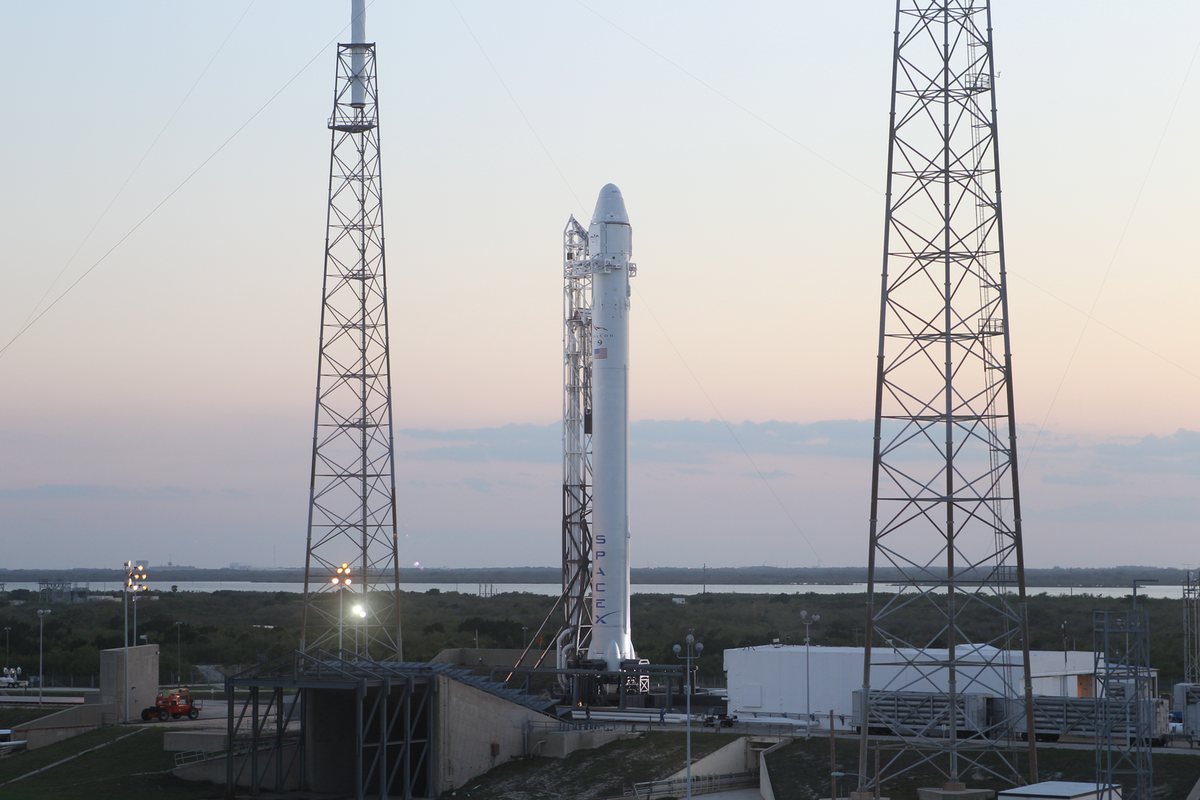
Google has a Tensor Processing Unit in space. It went up earlier this month on a Falcon 9, alongside more than a hundred other spacecraft, aboard a satellite built by Planet Labs. After about three weeks of commissioning, engineers sent it a prompt and asked for a haiku about being in orbit. It obliged, with a line about starlight feeding its core.
That is a silly first use of a very serious experiment, and the experiment is the interesting part. This is TechCrunch's reporting, published on Friday; Google calls the programme Suncatcher.
What is actually up there
Four TPUs, and a power budget of about one kilowatt — roughly a domestic kettle. The four cannot run together. TechCrunch initially reported otherwise and corrected it: the prototype carries four and operates one at a time, and even then only for around twenty minutes at a stretch.
The model onboard is Gemma 4, one of Google DeepMind's smaller open models, loaded before launch. Nothing is being trained up there. It answers.
Why bother
Sunlight in orbit is relentless and free, there is no water bill, and nobody lives next door to object. Every one of those is a problem on the ground, and the previous two stories in this edition are largely about them.
The catch is radiation. Charged particles flip bits — a one becomes a zero — and the corruption does not announce itself. Ground testing suggested this would be tolerable for answering questions and much worse for training. Whether that holds in actual orbit is what the next few months are for.
The bit that depends on somebody else
If the chips survive, Google says two more satellites with better TPUs follow in 2027, this time testing laser links between craft so several can work as one machine. That is the part nobody else is attempting; other orbital computing efforts expect each satellite to work alone.
All of it rests on launch costs falling, which means it rests on Starship, which is not finished. Suncatcher's own researchers published an estimate this month that SpaceX would need something on the order of eighteen hundred Starship flights to drive costs down the way earlier rockets did. Starship has not flown eighteen hundred times.
The idea to take away
This is a moonshot in the literal and the corporate sense: infrastructure for the 2030s, announced while the company's share price is being punished for spending on infrastructure for now. Treat the haiku as what it is — a photograph of the thing working — and watch the radiation results instead. They are the finding that decides whether any of it matters.
■