
Alphabet's worst day, and the bill behind it.
Four companies have promised to spend more than seven hundred billion dollars this year on the machinery behind AI. Last week the market looked at the receipts and flinched.
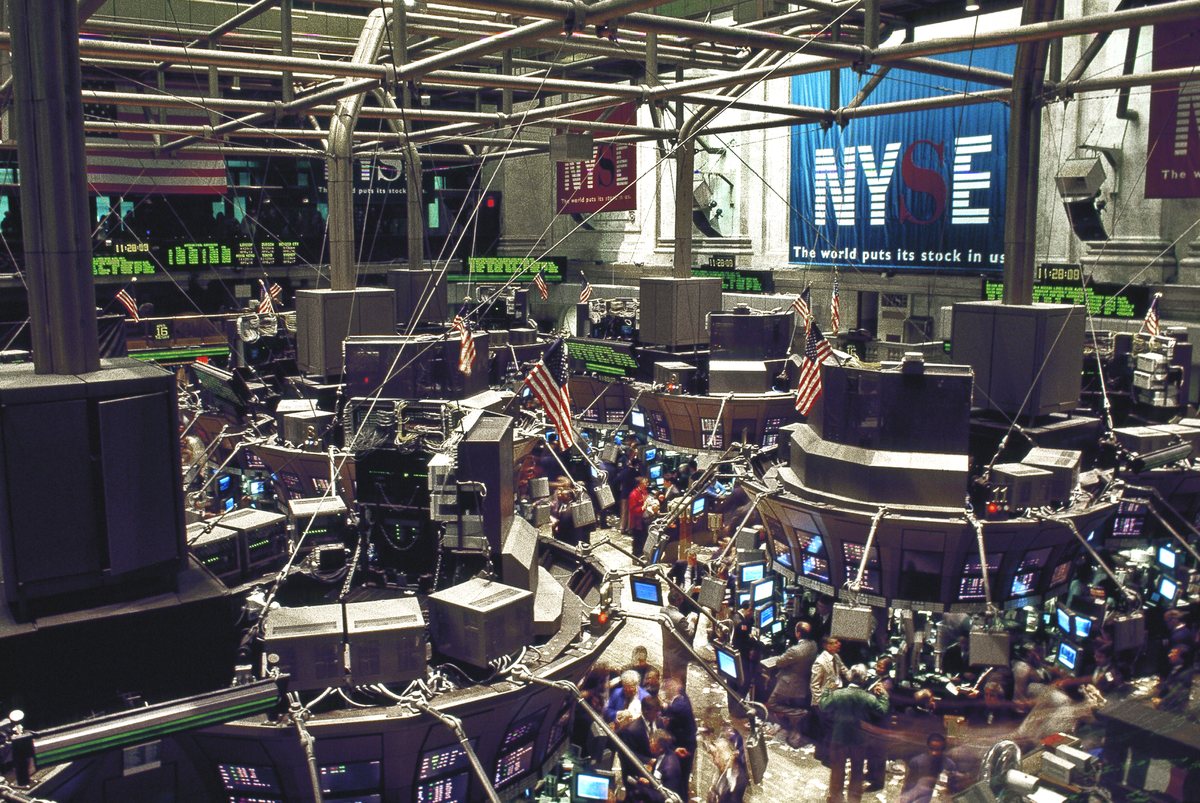
On Thursday, Alphabet lost twelve per cent of its value in one day — the worst day in the company's history, and about five hundred billion dollars gone between breakfast and dinner. On Friday the Nasdaq fell another 2.9 per cent, and Qualcomm dropped eleven.
Nothing broke. No model failed, no data centre caught fire. What happened is duller and more important: investors read the quarterly accounts and noticed how the AI build-out is being paid for.
Seven hundred and forty billion
Over two weeks, Alphabet, Amazon, Meta and Microsoft set out their spending plans. Between them: more than $740 billion this year.
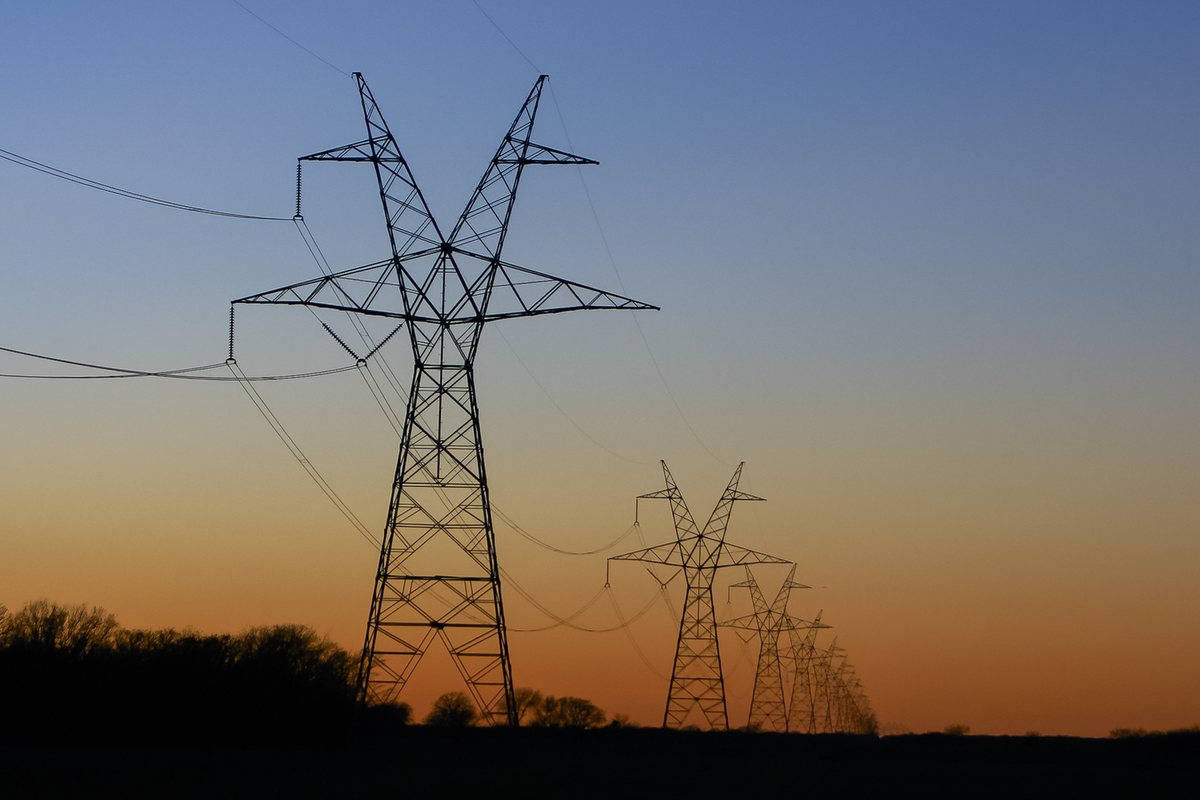
That money buys land, buildings, power connections and chips. Accountants call it capital expenditure. It is the cost of the stuff you can kick.
Spending that much is not alarming in itself. Spending it while cash goes out faster than it comes in is a different proposition, and that is what the filings showed.
The phrase that suddenly matters
Free cash flow is the money left after a company has paid for everything it needs to keep running, buildings included. When it is negative, more cash is going out than coming in, and the difference comes from savings or borrowing.
Alphabet was negative $9.1 billion for the quarter, its second negative quarter running, on $51.4 billion of capital spending. Amazon has been $42.4 billion in the red over twelve months, against $14.8 billion positive the year before. Meta was negative $2.1 billion.
Microsoft was the exception at $18.6 billion positive — and spent $45.2 billion against the $50 billion it had signalled, which it says was not a deliberate retreat.
The borrowing is the tell
Microsoft, Alphabet, Amazon, Meta and Oracle have raised a combined $326 billion in debt this year, roughly three times last year's figure, according to S&P Global Market Intelligence. These are among the richest companies in history, and they are borrowing anyway.
The idea to take away
A boom can be real and still be badly timed. The spending happens now, in concrete and copper; the revenue arrives later, if demand is as large as everyone assumes. Every negative quarter is a bet that the gap closes. Last week was the first time in a while that the people holding the bet asked out loud when.
■